Status Updates That Tell the Truth Without Theatre
RAG honesty for reserved narrators — colour, evidence, and one decision, not a calm green slide.
 Ihor NesterenkoIT System Analyst6 min read · Aug 12, 2026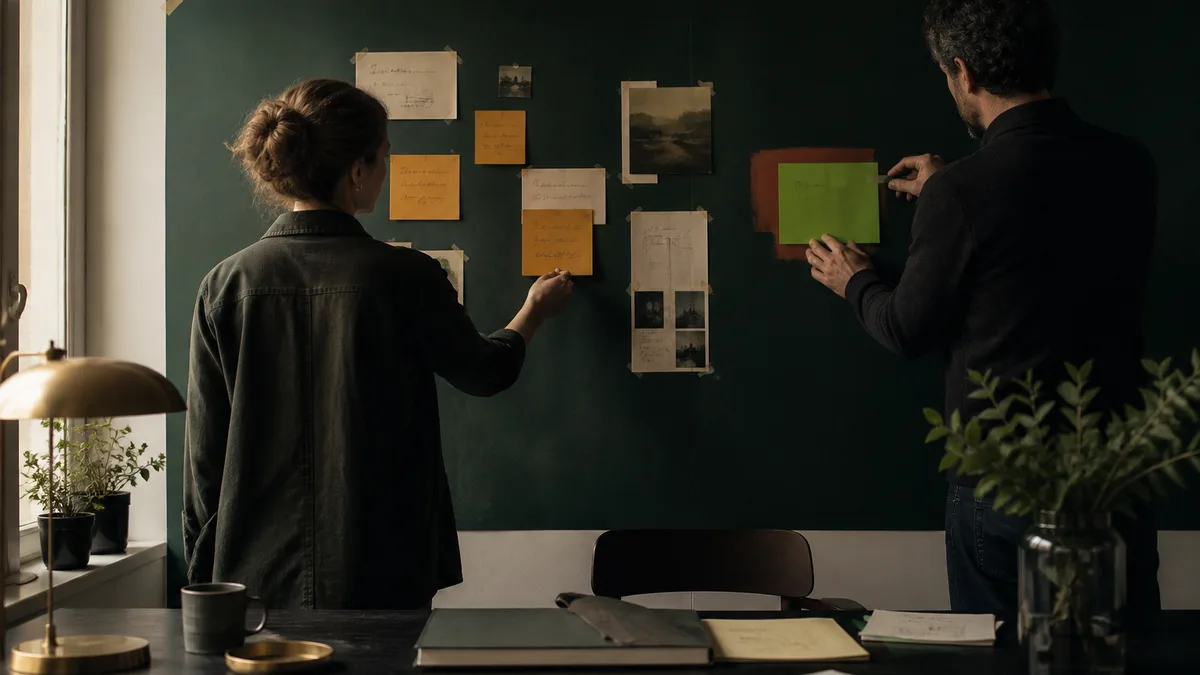
The status pack on Thursday said Green. The ASN feed into the warehouse system had missed three nights. The go-live was still on the wall as Friday. Nobody had lied in a dramatic way. They had simply painted a colour that kept the room calm while the work was already amber. The pack even had a risk register appendix — three lines of soft language that never touched the traffic light.
The requirement was honest reporting. The reality was theatre. That gap is where sponsor trust quietly dies — not in one meeting, but across a month of calm greens that taught everyone the colour was decoration.
Green Without Evidence Is Theatre
Honest RAG and theatre RAG look the same from three metres away: a coloured cell in a table. They are different claims.
Theatre RAG says: keep the colour calm so nobody escalates. Honest RAG says: the colour is a claim about reality, and claims need evidence.
There is a logical reason green persists when the work is not green. People are reluctant to carry bad news upstairs — the mum effect that research on IT project reporting still finds when members withhold trouble until corrective action is late. A second reason is local: amber and red attract interest, and interest feels like blame when the room has never rewarded an early warning.
Practice tells the same story on cutovers. The feed is late. The cell stays Green because "we're working it." By the week before go-live the colour flips late, and the sponsor learns that Green never meant Green. After that, every colour is discounted — including the honest ones you write next month.
Research on software status reporting puts a hard edge on that pattern: true status and reported status can diverge through both misperception and bias before the update reaches executives — which is why favourable reports deserve skepticism, especially on higher-risk work. The reserved narrator's job is not to perform confidence. It is to shrink that gap with one checkable line.
Identity claim, stated plainly: you are not the person who paints green for comfort. You are the person who makes the colour match the evidence. Those are different professional habits. Only one of them survives a skeptical sponsor — and only one of them is useful the week the feed actually fails.
The Honest RAG Line
Write three lines. Not twelve slides.
- Colour — Green, Amber, or Red as a claim about this week's outcome risk, not a mood.
- Evidence — One falsifiable fact a skeptic could check: "ASN feed missed 11, 12, and 13 Aug; vendor ticket still Open."
- Decision ask — What you need by when: "Need vendor SLA call by Thursday noon or Friday cutover slips to Tuesday."
That is the whole update for a reserved narrator. Volume is not honesty. Attributable evidence is.
If someone demands a dashboard, keep the dashboard as an index. The three lines still lead. A pack without an evidence line is decoration. A pack that buries the ask on slide nine is theatre with better fonts.
For reserved narrators this is a relief, not a constraint. You do not need a louder voice. You need a shorter claim that can survive a skeptical read. The person who fills twelve slides with soft greens is performing availability. The person who writes three hard lines is performing accountability — quietly.
Worked example — the late ASN feed
Retail ERP cutover. Integration owns the overnight ASN feed. Three misses. Dashboard still Green.
Theatre version: Green — integration in progress; team focused.
Honest version:
- Amber
- Evidence: ASN feed missed three consecutive nights; Open ticket with vendor since Monday; no successful replay in UAT.
- Ask: Sponsor to join vendor call Thursday 10:00, or accept Tuesday cutover in writing by EOD Wednesday.
The colour changed because the evidence changed. The ask is a fork, not an apology. You are not narrating how hard everyone is working. You are naming what the programme must decide while time still exists.
If the sponsor refuses the call and keeps Friday, the update next week can go Red with the same evidence plus "decision deferred Wednesday." That is still honesty. Silent Green would be theatre — and it would teach the room that your Amber never mattered.
Amber Without Apology
Amber is not cowardice. Amber is early warning with a decision attached.
Reserved language, no hedge stack:
"Amber. Feed missed three nights. If we do not get a vendor commitment Thursday, Friday is not real."
Red is not drama. Red is: the current plan cannot absorb the evidence.
"Red. No successful feed replay; cutover Friday is not recoverable without dropping scope X or adding a weekend window. Need a decision today."
What you refuse: apology theatre ("sorry to be the bearer…"), recovery theatre ("we'll make it somehow"), and confidence theatre (Green because the room prefers Green).
What you allow: short. One colour. One fact. One ask. If someone wants a slide pack, attach the ticket IDs after the three lines — do not replace the three lines with the pack.
Anticipate the pushback: "Can't we keep it Green and note the risk in the comments?" That is theatre with a footnote. Either the colour matches the risk or the risk is not real enough to change the colour. Pick one. Comments that contradict the cell train sponsors to ignore both.
Permanent Amber is theatre in a different shade. If the colour has been Amber for six weeks with the same sentence and no ask, you are using Amber as a comfort zone. Either escalate the ask or admit the programme has accepted the risk and move the colour to match that acceptance — including to Green if the risk was accepted in writing and the remaining work is on track under the new plan.
What Theatre Looks Like From the Outside
Theatre is Green until the week before go-live. Theatre is a dashboard with twelve greens and no evidence column. Theatre is a status meeting that celebrates the colour instead of interrogating the claim. Theatre is also the soft risk note that never changes the cell — comfort language parked beside a Green that still drives the conversation.
From the outside — the sponsor who has been burned once — theatre is readable. They stop asking "what colour?" and start asking "what happened this week that I can verify?" Meet them there first. Give them the evidence line before they have to dig. When they dig and find nothing behind Green, they will not ask you next time; they will ask someone else, or they will assume the worst.
This is different from managing up as a credibility cadence across months, different from saying "I don't know yet" inside a live workshop, and different from trust repair after a missed go-live where the miss is already public and the needle is behavioural evidence — not another status colour. Those pieces own longer trust arcs, in-room epistemic honesty, and post-miss recovery. This piece owns the weekly colour: make it a claim, or stop painting it.
Honest status needs a colour that matches the evidence, one fact a skeptic can check, and one decision the room still has time to make.
More in People
Group Belief After a Stall — Without the Cheerleading Session
The room does not need a reset afternoon. It needs one result it can check together.
6 min · August 23, 2026

Trust Repair After a Missed Go-Live — What Actually Moves the Needle
Behavioural evidence on a known rhythm beats another communications campaign.
7 min · August 11, 2026
Boundaries When You're the Only Analyst on a Hot Program
Scope and escalation without martyrdom — when you are the only analysis capacity in the room.
6 min · August 9, 2026